
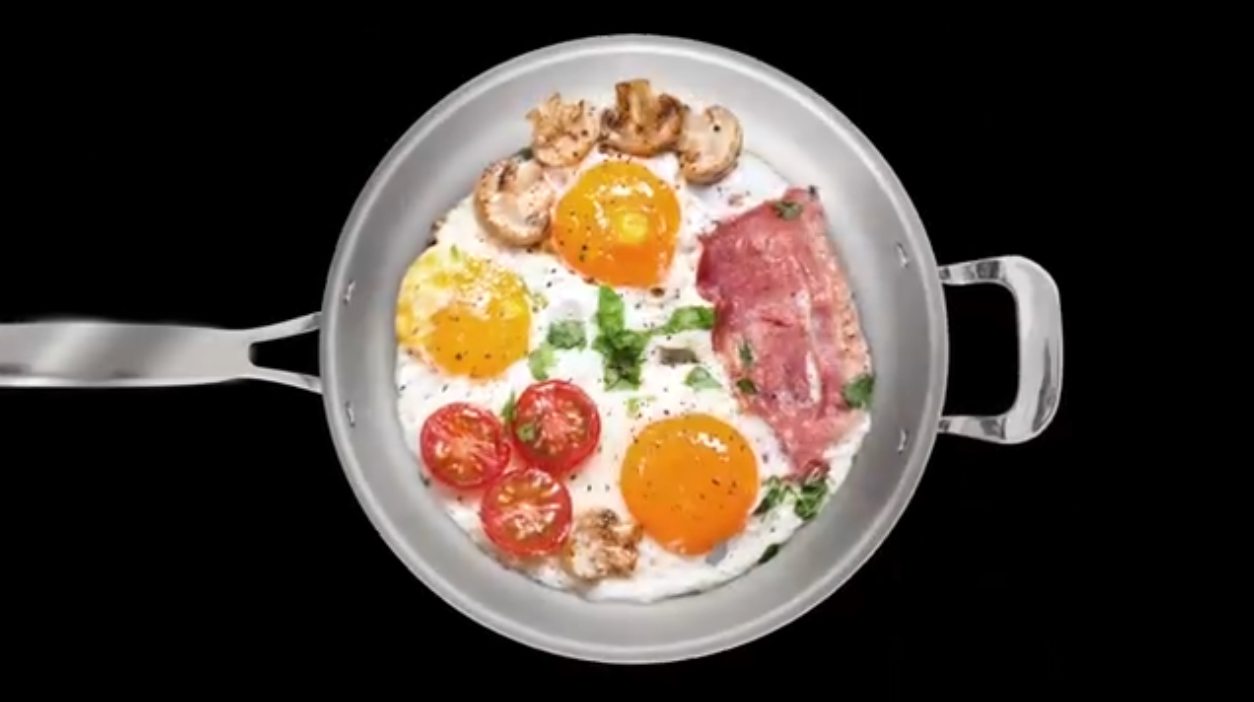
Hello, friends! It’s Mrs. Wave here, and today I want to share one of my favorite kitchen tips: how to cook eggs perfectly on stainless steel induction cookware. Eggs are simple, yet tricky—they can stick, burn, or cook unevenly if you’re not careful. But with a few tricks, your eggs can come out soft, fluffy, and delicious every time.
Understanding Stainless Steel Induction Cookware
First, let’s talk about the cookware itself. Stainless steel induction pans are fantastic—they’re durable, non-reactive, and heat up quickly on induction cooktops. But unlike nonstick pans, they require a little more attention. That’s why some people, especially those used to old-school nonstick or cast-iron, might find eggs sticking at first. Don’t worry—it’s all part of learning to cook with this type of pan.
For my friends who are newer to induction technology, here’s a quick note: induction cooktops heat the pan directly via magnetic energy. That means your pan gets hot quickly and retains heat evenly, which is perfect for eggs—once you know the right technique.

Prepping Your Pan: The First Step
I always start by preheating my stainless steel pan properly. Here’s my secret: place the pan on medium-low heat for about 2–3 minutes before adding anything. You want it warm, not scorching. To check if the pan is ready, sprinkle a few drops of water on the surface. If the drops dance and form tiny beads, the pan is perfectly heated. This little trick alone will prevent many sticking disasters.
Next, always add a little fat. Butter is my go-to because it adds flavor and creates a protective layer between the eggs and the stainless steel. Olive oil or even a light spray of cooking oil works too. Let the butter melt completely and coat the pan evenly before adding your eggs.
Cooking Your Eggs
Now, onto the eggs themselves. Whether you’re making scrambled eggs, omelets, or sunny-side-up, the technique is similar:
-
Crack your eggs into a bowl first. Whisk gently if making scrambled eggs. This ensures uniform cooking and prevents shell pieces from ending up in your pan.
-
Add the eggs to the pan gently. Pour slowly to avoid splashes and ensure the eggs spread evenly.
-
Use low to medium heat. Stainless steel retains heat well, so high heat can overcook or stick your eggs. Patience is key.
-
Gentle stirring for scrambled eggs. Use a silicone or wooden spatula to move the eggs slowly. The slower, the better—they’ll stay fluffy and tender.
For sunny-side-up eggs, resist the urge to poke or flip them immediately. Let the whites set slowly. If you like your yolks soft, cover the pan briefly with a lid to steam them lightly.
The Common Mistakes
Even with practice, it’s easy to make mistakes. Here are the most common ones I see:
-
Pan not preheated: Eggs stick because the pan is too cold.
-
Too much heat: Eggs cook too quickly and brown in spots.
-
No fat: Stainless steel needs a barrier. Butter or oil prevents sticking.
-
Rushing: Eggs need gentle care. Patience pays off.
For my older friends who are used to traditional cookware, these steps might feel different, but once you get used to the gentle heat and proper preheating, you’ll find it much easier than you think.
Read more about what can't be cooked on stainless steel cookware↗.

Tips for Cleaning Stainless Steel
One of the benefits of stainless steel cookware is that it’s extremely durable. But yes, eggs can leave marks if you’re not careful. Here’s my quick cleaning routine:
-
Fill the pan with warm water immediately after cooking.
-
Let it sit for a few minutes—this loosens any stuck-on bits.
-
Use a soft sponge with a bit of dish soap. Avoid harsh scrubbing, which can scratch the surface.
-
For stubborn residue, sprinkle a little baking soda and gently scrub.
Your stainless steel will stay shiny and ready for your next cooking adventure. And for my tech-savvy friends, combining this cookware with your induction cooktop means minimal energy use and maximum efficiency—a small win for modern kitchens!
Why I Love Cooking Eggs This Way
I love cooking eggs on stainless steel induction cookware because it’s versatile and reliable. Once you master the technique, you can use the same pan for vegetables, meats, and even delicate sauces. The even heat distribution ensures consistent results every time, and the durability means this pan can last for decades—a real investment for your kitchen.
For younger readers, the bonus is that mastering eggs gives you confidence. Once you’ve nailed scrambled eggs or a perfect omelet, you’ll feel ready to tackle more complex dishes. For my older readers, it’s about reliability and knowing that this cookware will perform consistently, just like the brand has always promised.
Final Thoughts
Cooking eggs successfully on stainless steel induction cookware is all about preparation, patience, and the right technique. Remember: preheat your pan, use a little fat, cook on gentle heat, and don’t rush. Your eggs will come out perfectly every time.
So next time you’re in your kitchen, try this out and watch how your eggs transform from sticky frustrations to fluffy, golden perfection. With a little practice, stainless steel induction cookware will become your new best friend.
Happy cooking, friends!
—Mrs. Wave
➡️ Shop NuWave Stainless Steel Cookware↗
➡️ Discover More Healthy Cooking Recipes↗


Leave a comment
This site is protected by hCaptcha and the hCaptcha Privacy Policy and Terms of Service apply.