
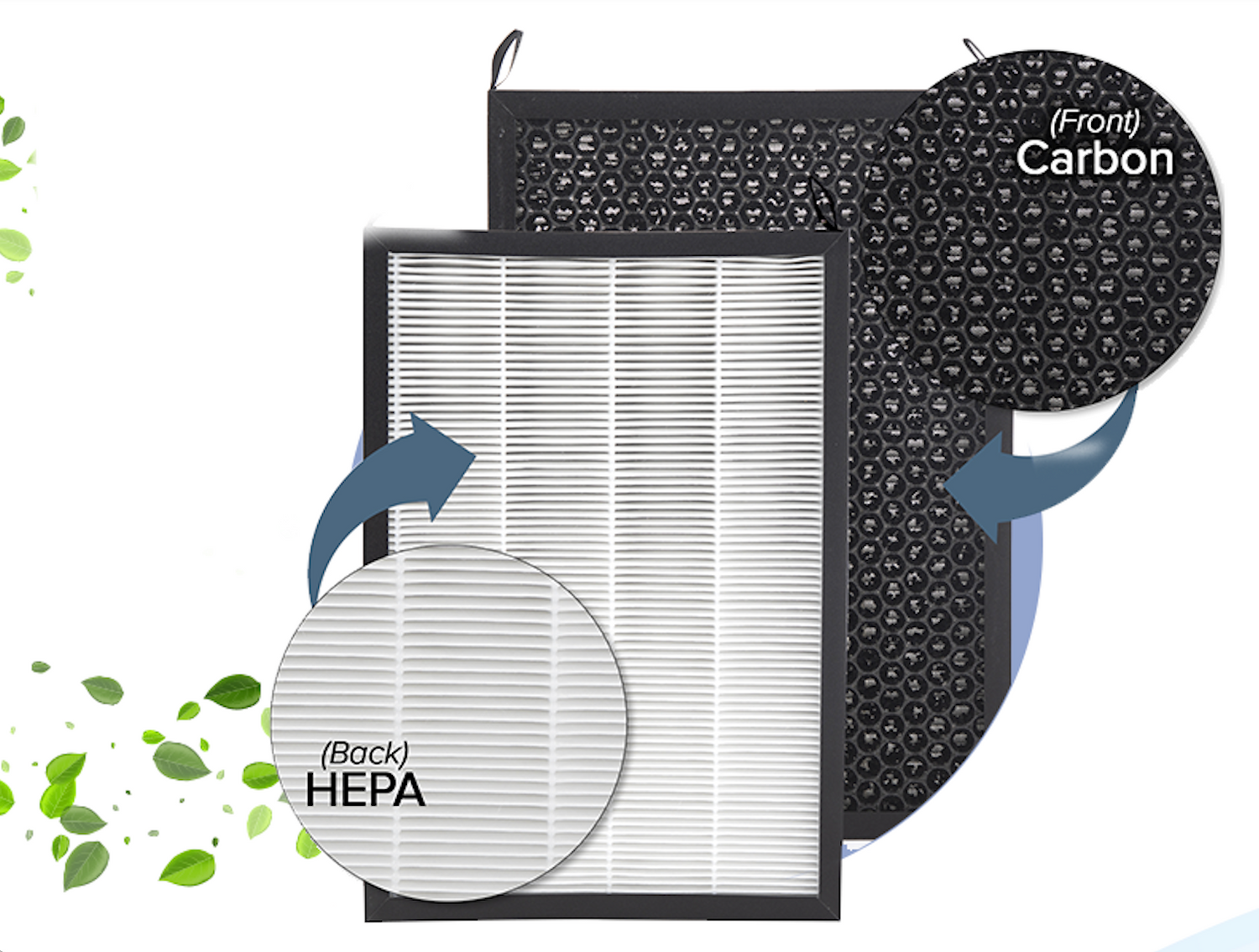
We all know that a good filter makes a good air purifier when it comes to enhancing indoor air quality. You wouldn't want to invest in an air purifier only to have it fail to maintain the quality of your air, would you? Therefore, it's critical to comprehend the distinctions between the different kinds of filters available if you're thinking about making a significant investment in a high-quality air purifier for your house (and your pets). Activated carbon filters and HEPA (High-Efficiency Particulate Air) filters are two of the most popular types. You can choose the best filter for your needs and keep your home fresh, healthy, and allergy-free by understanding how these filters operate and what they do.
What Is a HEPA Filter?
Particles as small as 0.3 microns can be captured by a HEPA filter. Dust, pollen, pet dander, and even certain bacteria are included in this. Because HEPA filters efficiently eliminate airborne allergens, they are perfect for those who suffer from allergies or asthma.
What Is an Activated Carbon Filter?
A porous substance is used by activated carbon filters to absorb gases and smells. They work well to eliminate cooking odors, smoke, and volatile organic compounds (VOCs). They do not, however, collect dust or pollen or other particulate matter.

Combining Filters for Optimal Air Quality
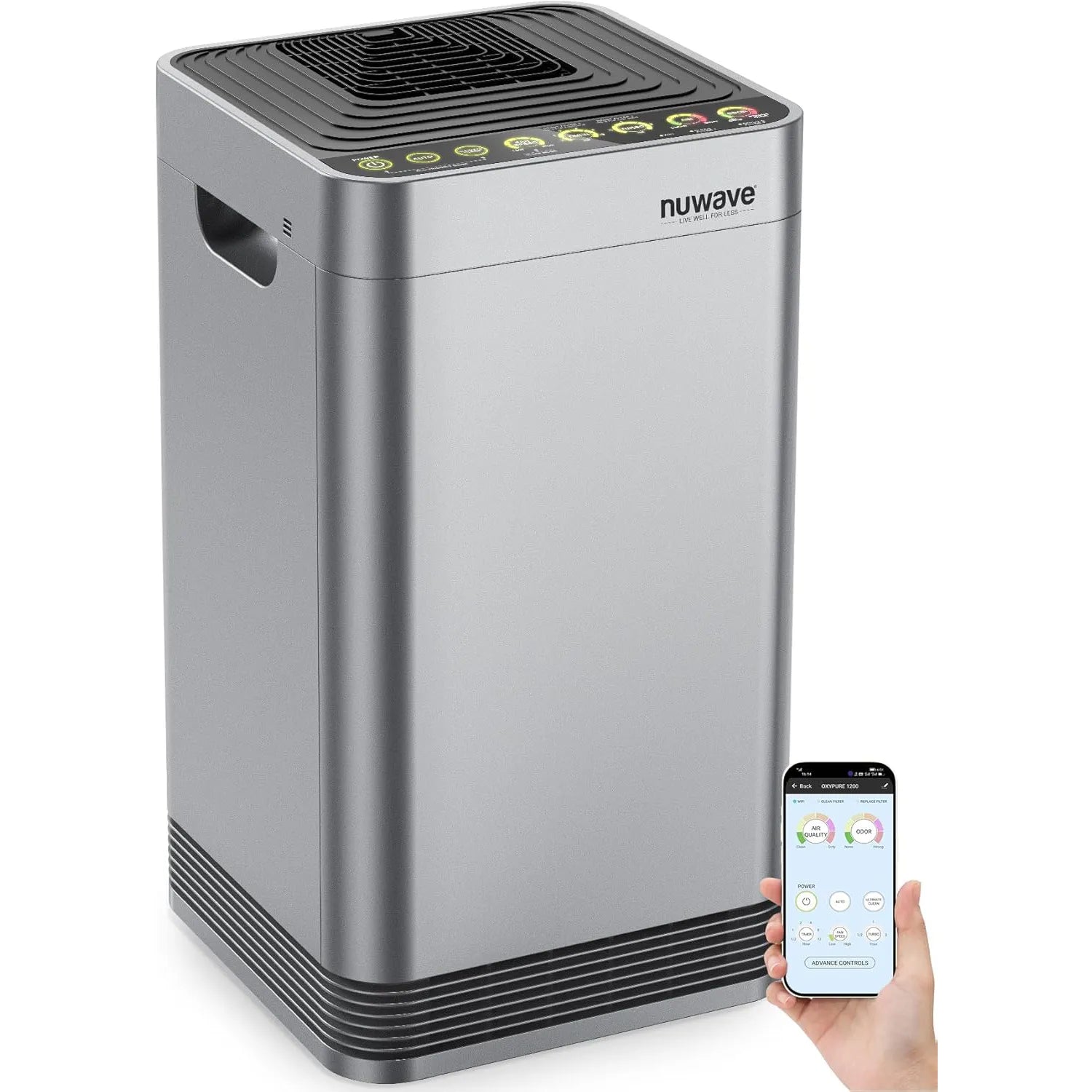
Many modern air purifiers, like the NuWave OxyPure series, combine HEPA and activated carbon filters to provide comprehensive air purification. These devices are equipped with multiple filter stages to address both particulate and gaseous pollutants.
For instance, the NuWave OxyPure Zero Smart Air Purifier features a dual 4-stage filtration system, including:
-
Stainless Steel Pre-Filter: Captures larger particles.
-
Bio-Guard Filter: Utilizes electrostatic precipitation to trap airborne pollutants.
-
Ozone Emission Removal Filter: Eliminates harmful ozone gas.
-
HEPA/Activated Carbon Combo Filter: Removes fine particles and odors.
The efficient removal of gases and particulate matter from the air is guaranteed by this multi-layered strategy. Additionally, Nuwave has FOREVER filters that you can use for the rest of your life without needing to be replaced.

Choosing the Right Filter for Your Needs
-
For Allergies or Asthma: Opt for an air purifier with a HEPA filter to remove allergens.
-
For Odor Removal: Choose a purifier with an activated carbon filter to eliminate smells.
-
For Comprehensive Air Purification: Select a device that combines both HEPA and activated carbon filters.
Conclusion
To choose the best air purifier, it is crucial to comprehend the distinctions between HEPA and activated carbon filters. To make an informed choice, take into account your unique requirements, whether they involve eliminating odors, allergens, or both. Advanced filtration systems that address a variety of indoor air quality issues are provided by devices such as the NuWave OxyPure series.
Purchasing a high-quality air purifier can result in a healthier living space, particularly for people who are susceptible to indoor pollutants.


Leave a comment
This site is protected by hCaptcha and the hCaptcha Privacy Policy and Terms of Service apply.