
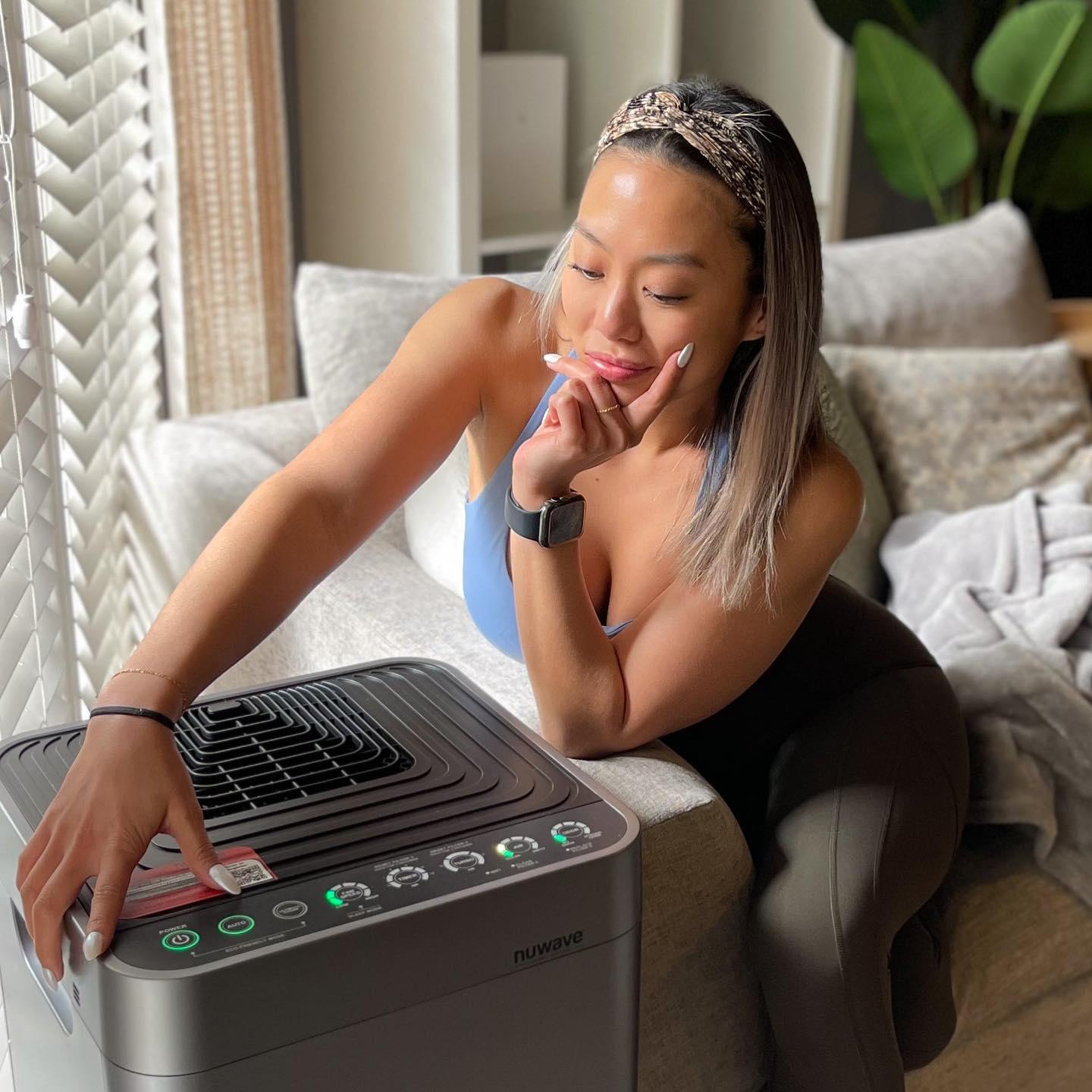
Home air purifier has become increasingly popular as people seek ways to improve indoor air quality. This article aims to delve into the effectiveness of home air purifiers, separating fact from fiction, and providing a comprehensive understanding of their impact on the air we breathe.
Why Your Home Need An Air Purifier?
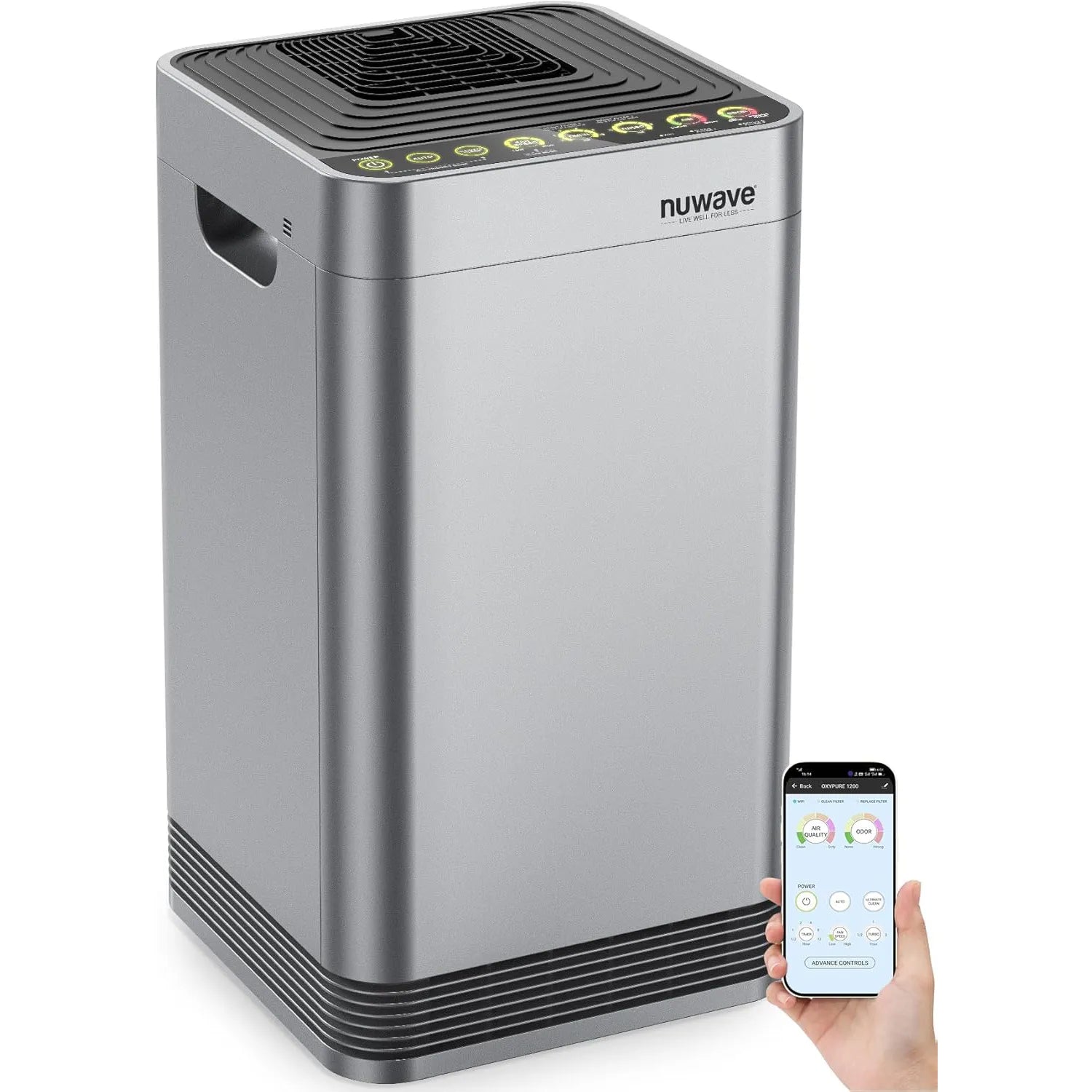
Home air purifiers are designed to clean the air inside your living spaces, removing particles such as dust, pollen, pet dander, and other pollutants. For example, NuWave’s OxPure air purifiers have been tested and are recognized for the effectiveness in reducing allergens and pet dander↗, making them a reliable choice for maintaining healthy indoor air.
Unlike industrial or commercial purifiers, which are built for large-scale or specific environments, home air purifiers focus on safety, usability, and aesthetics.
A well-designed home air purifier uses safe, high-quality materials that do not release harmful chemicals or pollutants back into the air. It should blend seamlessly with your home decor, be easy to move between rooms, and offer options suitable for different spaces—from small bedrooms to large living areas. The goal is not only to improve air quality but also to make the purifier a convenient and attractive addition to your home environment.

Factors Influencing Effectiveness:
-
Type of Contaminants:
- Home air purifiers are particularly effective at removing airborne particles, allergens, and some gases. Their efficiency varies based on the specific contaminants they target.
-
Type of Purification Technology:
- High-Efficiency Particulate Air (HEPA) filters are known for their ability to capture small particles, making them effective against allergens.
- UV-C light and activated carbon filters are designed to neutralize germs and remove odors, respectively.
Scientific Studies and Research On Home Air Purifiers:
-
Study by National Institute for Environmental Health Sciences (NIEHS):
According to a study by the National Institute for Environmental Health Sciences (NIEHS↗), home air purifiers equipped with HEPA filters demonstrated a significant reduction in airborne particles, providing robust support for their efficacy.
-
Effectiveness Against Allergens:
- Research published in the Journal of Allergy and Clinical Immunology highlights the positive impact of air purifiers in reducing indoor allergens.

User Testimonials on Using an Air Purifier at Home
- MarryLee, a homeowner with respiratory sensitivities, reported noticeable improvement in air quality after incorporating an air purifier into their home.
- Jane Doe shared her experience of reduced pet-related allergens with the use of a specific air purifier model.
Considerations for Air Purifiers to Ensure Optimal Performance
-
Appropriate Sizing:
- Choosing an air purifier with the right capacity for your room size is crucial because a purifier that’s too small won’t effectively clean the air, leaving allergens and pollutants behind. Conversely, an oversized purifier may be inefficient and waste energy. The right size ensures consistent airflow, thorough filtration, and optimal air quality throughout the space.
-
Regular Maintenance:
-
Cleaning or replacing filters as recommended by the manufacturer ensures sustained effectiveness. For a hassle-free solution, check out our newest model, the NuWave Forever Smart Air Purifier↗, which features a forever filter—meaning you won’t need to change the air filter ever again.
-
Addressing Common Misconceptions:
-
Myth: Air Purifiers Can Remove All Indoor Pollutants:
-
While air purifiers are highly effective at removing airborne particles like dust, pollen, and pet dander, they cannot eliminate pollutants that settle on surfaces, such as floors, furniture, or walls. These surface-bound particles require regular cleaning or ventilation to manage. Additionally, it’s nearly impossible to live in a completely pollution-free environment—air quality can always fluctuate due to outdoor pollution, human activity, and natural sources—but using a high-quality air purifier significantly reduces exposure and helps maintain a healthier home.
-
-
Myth: Air Purifiers Substitute Ventilation:
- Air purifiers help remove airborne pollutants indoors, but they can’t replace the benefits of fresh outdoor air. Proper ventilation brings in clean air, reduces indoor humidity, and helps prevent the buildup of pollutants that purifiers alone cannot capture. Combining both ensures the healthiest indoor environment.
Conclusion:
In conclusion, home air purifiers can be effective in improving indoor air quality when chosen and used correctly. Scientific studies and real-life examples support their efficacy in reducing airborne particles and allergens. However, it's crucial to consider factors such as purification technology, appropriate sizing, and regular maintenance for optimal performance.
By understanding the capabilities and limitations of home air purifiers, individuals can make informed decisions to create a healthier living environment. Investing in a reputable air purifier and combining it with good ventilation practices can contribute significantly to breathing cleaner and fresher air at home.
Remember, the efficacy of a home air purifier is a multifaceted aspect influenced by various factors, and informed decisions lead to a healthier indoor environment. Enhance your home's air quality today with OxyPure! Discover top-notch air purifiers↗ for a healthier living space. Breathe better, live better!


Leave a comment
This site is protected by hCaptcha and the hCaptcha Privacy Policy and Terms of Service apply.